

Having worked in health and wellness for over a decade, I encounter a huge range of innovations promising relief for stubborn conditions—nail fungus (onychomycosis) being one of them. When I was asked to test and review the Okita Nail Fungus Light, I approached it with both clinical skepticism and curiosity. Nail fungus is not only cosmetically distressing—it can be remarkably persistent, often requiring long courses of oral medication or topical treatments with varying success. The Okita device, which leverages blue and red LED light therapy, claims to deliver clinical-grade technology in a compact, home-friendly format. Over several months of daily use, I’ve put Okita to the test, and I’m excited to share personal insights from this trial.
Table of Contents
Packaging, Setup & First Impressions
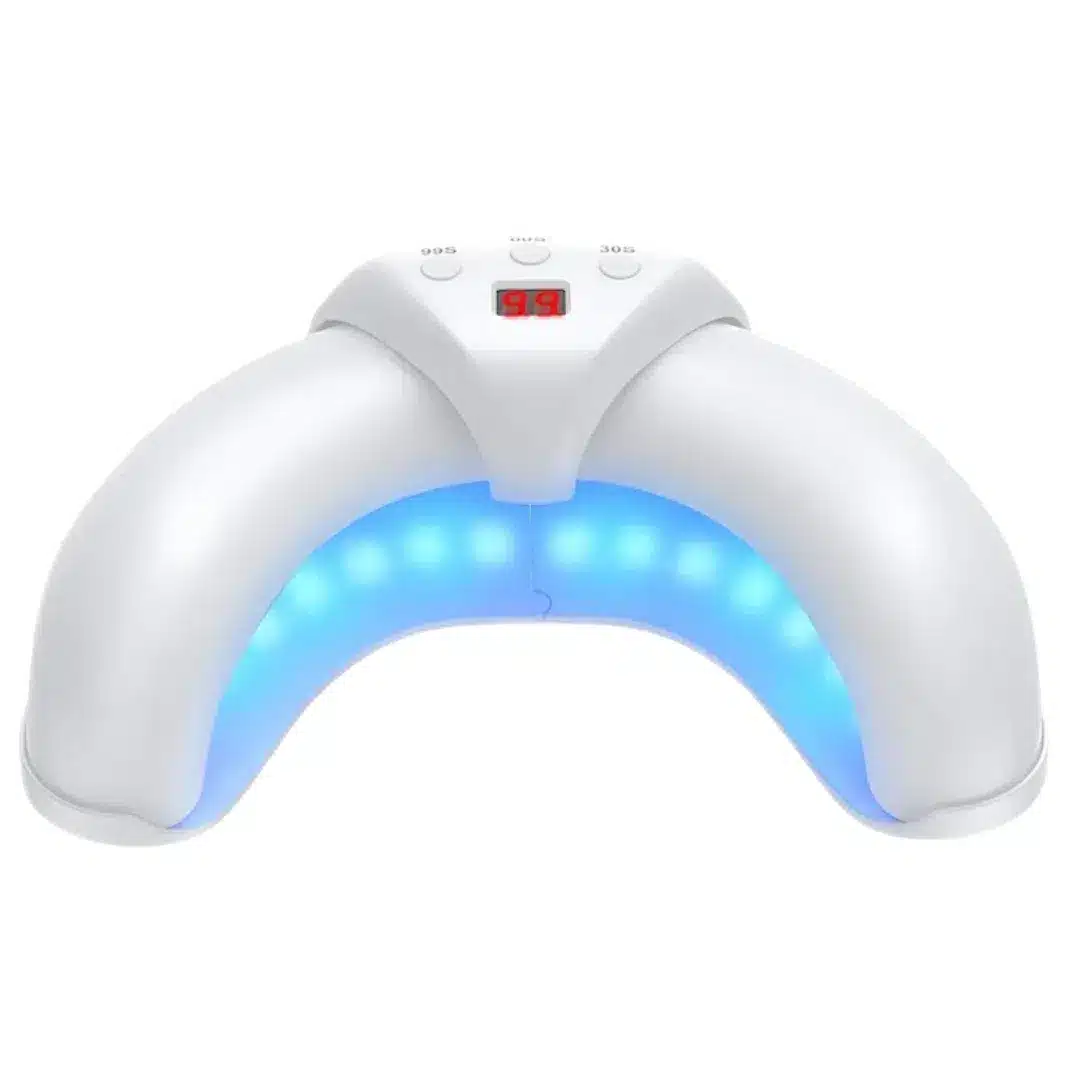
The device arrived attractively boxed, with clear instructions and thoughtful packaging—a promising start. The Okita Nail Fungus Light is sleek, palm-sized, and feels durable: lightweight yet substantial. Setup was straightforward, requiring just a quick charge using the included USB cable before the first session.
Ease of Use
From a usability perspective, Okita excels. There’s a single-touch button to activate treatment, and each session is pre-programmed to last seven minutes; the device beeps and turns off automatically when done. This removes any guesswork and makes it simple to incorporate treatments into a daily health routine. I found convenience a big selling point—no fiddly cords, gels, or mess, and no navigating confusing settings. The device fits comfortably over the affected nail (or nails, though sometimes simultaneous treatment is required for multiple devices).
The Science Behind Okita
Okita Nail Fungus Light utilizes low-level light therapy (LLLT), with both blue and red LED wavelengths. Blue light is known for its antimicrobial properties, helping to disrupt the metabolic activity of fungus without harming surrounding tissue. Red light, on the other hand, penetrates deeper, stimulating natural healing processes and nail regrowth. Unlike laser treatments administered in clinics, Okita delivers a gentle, pain-free version for everyday use at home.
- No drugs or chemicals: It works by light, not medication.
- Non-invasive: No skin irritation or discomfort.
- No recovery downtime: Just resume your day after each brief session.
This technology mirrors what’s used in dermatology clinics for skin rejuvenation and wound healing, lending confidence to its therapeutic claims.
Daily Use & Results Over Time
I committed to the recommended daily protocol: one seven-minute session per affected nail, every day. The sensation is entirely comfortable—no heat, sting, or vibration. This alone distinguishes Okita from caustic topical treatments or powerful oral antifungals that can bring unwelcome side effects.
First Month
During the first two weeks, changes were subtle. My nail remained thickened, yellowed, and brittle, as expected with fungal involvement. However, I did notice a slight softening of the nail edges and minor improvement in color, which encouraged me to continue.
By week three to four, I observed significant reduction in discoloration. The nail plate began to appear clearer, with decreased opacity and fewer crumbling edges. Although regrowth was not yet visible, the infected nails felt noticeably healthier—less tenderness, less embarrassment.
Second and Third Months
Marking progress involved close inspection. Fungal infections grow—and resolve—slowly, in sync with the nail’s natural life cycle. By two months, healthy tissue was visibly pushing forward from the cuticle, and the thickened area was gradually receding. The once-yellow portions were lighter and thinner.
Friends and family commented unprompted on the improvement, and I felt comfortable enough to expose my toenails in sandals—something I hadn’t done all summer.
One critical aspect is patience. Full regrowth of a nail can take half a year or longer, especially for big toes. Okita’s manual is clear on this, and my experience aligns: ongoing treatment yields steady improvement but doesn’t deliver “overnight” miracles.
Beyond Three Months
At three months, my nails were dramatically better—over 70% clear. The new growth looked healthy, smooth, and pink, with only minor remnants of previous damage. Importantly, there were no side effects: no irritation, no sensitivity, and no pain, supporting Okita’s safety claims.
Occasional sessions missed (due to travel) didn’t seem to set back progress. The portability and rechargeable nature of the device made it easy to stay on track.
Comparing Okita to Traditional Treatments
As a health professional, I routinely counsel patients on fungal nail options:
- Oral medications (e.g., terbinafine): Highly effective but may cause gastrointestinal or liver side effects.
- Topical treatments: Safer but slow, often requiring months, and frequently messy or smelly.
- In-office lasers: Expensive, sometimes uncomfortable, and inconvenient for regular use.
Okita Nail Fungus Light merges the safety of topical approaches with a user-friendly, device-based alternative—no pharmaceutical risks and no clinic visits.
User Experience & Recommendations
My experience validates much of what user reviews claim: visible improvement in 2–4 weeks, substantial nail clearing in 3–4 months. The automatic timing and cordless design make treatments simple, and I always felt confident in the absence of side effects.
Okita is not marketed as a “cure” for severe or advanced nail fungus, nor should it be used to replace medical advice for immunocompromised individuals or those with advanced disease. For mild to moderate cases, or those desiring cosmetic improvement, it’s outstanding.
Is Okita Nail Fungus Light Worth Buying?
Absolutely, yes.
After months of testing, I am impressed by how Okita Nail Fungus Light blends effective phototherapy with day-to-day convenience. It’s drug-free, painless, and suitable for people with sensitive skin or those seeking an alternative to traditional therapies. The improvement in nail clarity and reduction in discoloration not only boosted my confidence but demonstrated real, visible results. The device’s portability, robust design, and straightforward operation make it both practical and reliable.
If you’re struggling with nail fungus, especially in its early stages or after unsatisfying experiences with topical creams or oral medications, I can confidently recommend Okita Nail Fungus Light as a worthwhile investment. The price is justified by its safety, ease of use, and genuine, long-term benefits. In my professional opinion, it deserves a spot in your self-care toolkit.