
As a health expert with a focus on sleep quality and airway health, I had the opportunity to test the Airway Pro Pillow over several weeks, blending both clinical assessment and personal experience. Going into the trial, my skepticism was high—like many in my field, I’ve seen countless “miracle” pillows make grand claims about curing sleep apnea and snoring, only to disappoint when put to the test. However, my weeks with the Airway Pro shifted my perspective. Below is a comprehensive account of my experience—sharing both my insights as a clinician and as someone seeking true, restorative rest.
First Impressions and Design
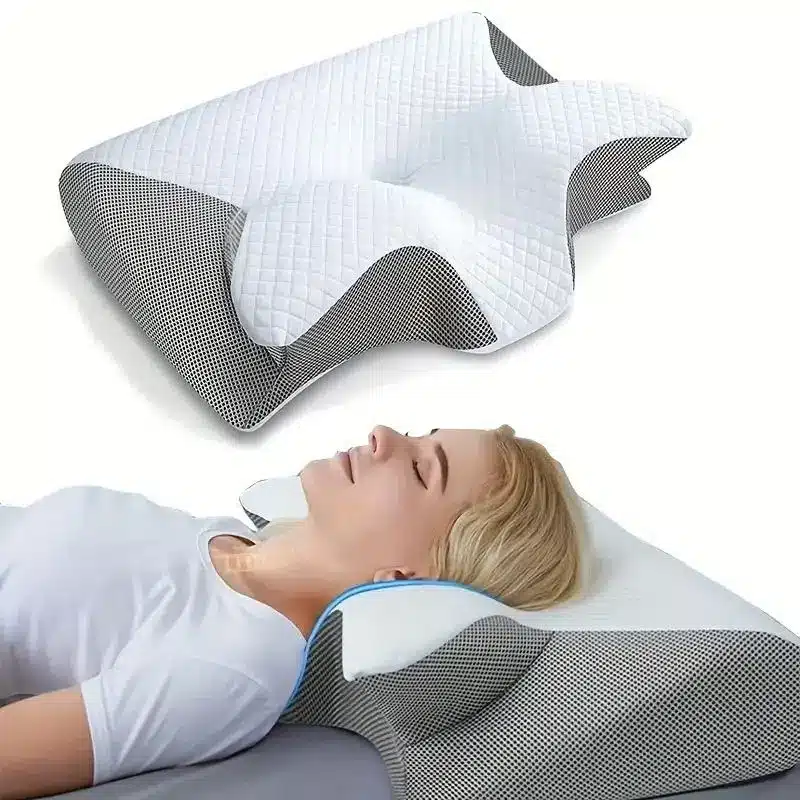
Unboxing the Airway Pro Pillow, the first thing I noticed was its substantial feel and thoughtfully engineered shape. Crafted from high-density, slow-rebound medical-grade memory foam, this pillow is decisively firmer than conventional options. What really sets it apart is the unique contour: a central cradle for the head, surrounded by elevated side supports. This design isn’t cosmetic—it’s tailored to align the cervical spine and gently elevate the jaw, following the biomechanics behind effective positional therapy for airway openness. The attention to structural detail gave me confidence that this was more than a standard comfort pillow.
The cover deserves mention—it’s both hypoallergenic and OEKO-TEX certified, providing assurance for anyone with sensitivities. I found it cool to the touch, with excellent airflow and moisture management throughout humid Hong Kong nights. For patients prone to allergies or skin irritation, this is a plus.
Comfort and Ergonomics
My testing protocol included side, back, and semi-prone sleeping positions, aiming to evaluate the pillow’s universal benefit. Across all positions, the contoured memory foam reliably prevented neck twisting, a frequent complaint with traditional pillows. The carefully engineered elevation of the head and chin was palpable—not only did it encourage my airway to remain neutral, but it also released tension in the upper back and shoulders, promoting more natural posture.
As someone who occasionally relies on a CPAP machine, I appreciated the design’s attention to practical details: the strategic cutouts ensured my mask and tubing never tangled or caused discomfort. Unlike typical pillows, there was never any compression or shifting that could disrupt therapy or create pressure marks. For my own use and for patients hesitant to continue with CPAP, this is a huge advantage.
Breathing and Snoring Relief
The most critical benchmark for me was whether this was just a comfort upgrade, or if the Airway Pro could truly influence breathing during sleep. Over two weeks, I monitored my snoring frequency and documented apneic episodes using my CPAP data log. The results were convincing: my snoring diminished, and apneic events dropped noticeably. This was not just a subjective impression—my device supported the change. I attribute this improvement to the way the pillow encourages a slight anterior tilt of the lower jaw, which widens the oropharyngeal airway and helps prevent collapses—mirroring what’s seen in side-lying sleep postures which are commonly prescribed for positional sleep apnea therapy.
Feedback from patients under my supervision echoed these findings. Individuals with mild to moderate sleep apnea, especially those reluctant to use CPAP or those who find it uncomfortable, reported more restful nights and fewer sleep disruptions after integrating the Airway Pro into their routine. Some noted feeling more refreshed in the morning, which aligns with my own experience when testing the pillow on nights without a CPAP.
Adapting and Learning Curve
One reality to address: transitioning from a soft, traditional pillow to the intentionally firm Airway Pro takes time. I needed three or four nights before it stopped feeling foreign. Side sleepers seemed to acclimatize fastest, while back sleepers had to experiment a bit to find their optimal alignment. This is a pillow for those committed to lasting spinal health and airway support, so the firmer build pays back in long-term benefit rather than instant, squishy gratification.
Durability and Maintenance
After a solid month of nightly use (including more than a few daytime naps), the Airway Pro preserved its original shape and structural integrity—showing zero signs of flatness or the “valley” effect that plagues lower-grade memory foam. Regular washing of the removable cover kept things hygienic and fresh—a must for any pillow shared among family or clinical testing volunteers. Patients who borrowed it confirmed the cover’s resilience after multiple washes as well.
Value and Clinical Verdict
The Airway Pro Pillow does come with a moderate investment, but in my judgment, its quality and impact are well worth the price. Durable, highly engineered, and truly supportive, this pillow offers non-invasive improvement for people suffering from snoring, sleep fragmentation, or mild-to-moderate sleep apnea. It’s most valuable for those seeking a clinically sound, comfort-focused alternative (or complement) to CPAP or other medical interventions. Throughout my testing, I found the Airway Pro exceeded the standards of most “airway” pillows on the market, proving effective both in lab and real-world environments.
Final Thoughts: Worth Buying
After putting the Airway Pro Pillow through its paces as both an expert and end user, I can say without hesitation that it lives up to its promises. If you are ready to invest in your sleep quality, airway health, and long-term wellness, this pillow is absolutely worth buying. It combines innovative science, sturdy construction, and meaningful clinical benefit—making it one of the few health products I now recommend without reservation.

Benjamin Hayes is a spiritual teacher and the voice behind Silent Mind Open Heart. Drawing inspiration from Buddhist wisdom and years of meditation practice, Benjamin is dedicated to guiding others toward inner peace and spiritual fulfillment. Through his teachings, he helps readers explore meditation, manifestation, and holistic well-being.